Indústria

Automação na leitura de códigos em peças forjadas brutas para máxima precisão e confiabilidade.
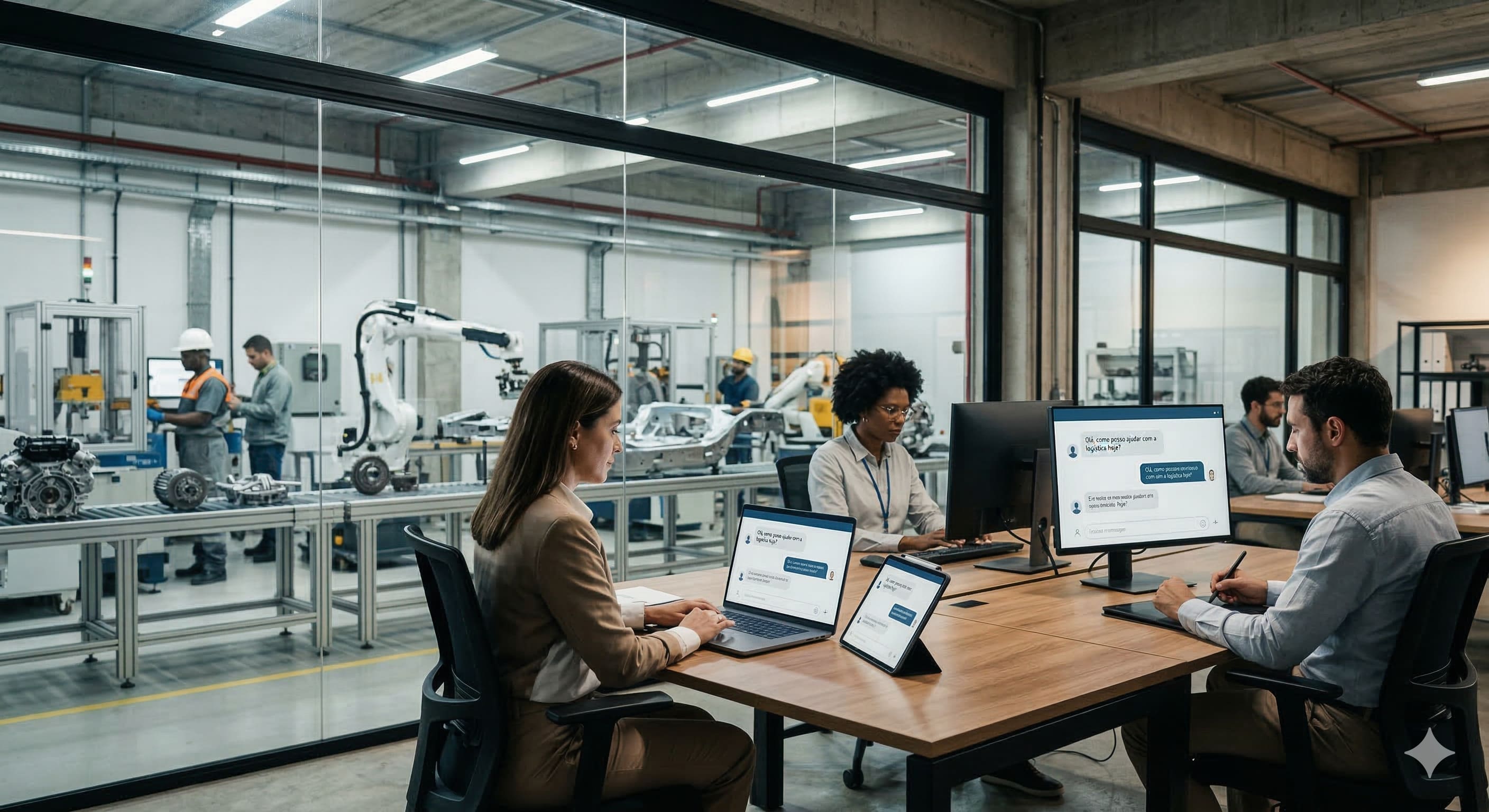
Implementação de um sistema de Visão Computacional para o reconhecimento de caracteres em alto-relevo com imperfeições, garantindo a rastreabilidade automatizada de peças industriais com baixa intervenção humana.
01. Problema
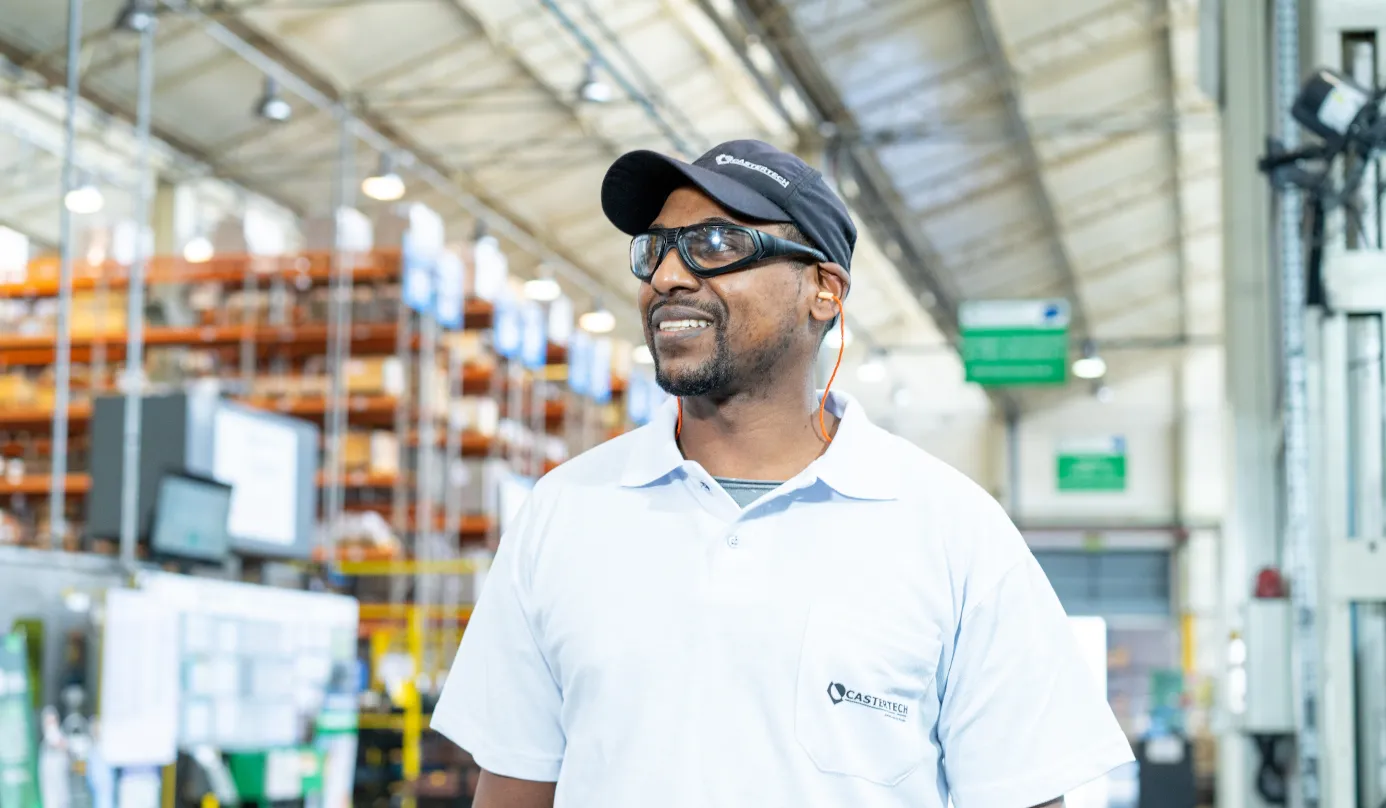
A rastreabilidade de peças industriais forjadas é um desafio inerente ao setor metalmecânico. Na Castertech, a garantia da qualidade exigia precisão absoluta na identificação dos códigos de cada lote. No entanto, as peças recém-saídas do forjamento apresentam características rústicas — como variações de textura, brilho e deformações naturais nos caracteres em alto-relevo. Depender de alta intervenção humana para essa leitura gerava gargalos no tempo de ciclo e aumentava o risco de falhas no rastreamento.
02. Diagnóstico
A análise técnica da DB concluiu que sensores padrão ou sistemas de leitura de código de barras não operariam nesse ambiente severo. Era necessário criar um modelo customizado de Visão Computacional, treinado especificamente para lidar com as "imperfeições" visuais do metal forjado. O sistema precisaria ir além da leitura de caracteres isolados, entendendo o contexto da superfície da peça. Além disso, a arquitetura do software precisava ser extremamente leve e otimizada para interagir em tempo real com os robôs industriais já existentes na planta, suportando variações de layout.
03. Resolução
A equipe desenvolveu e implantou uma aplicação robusta de processamento de imagem baseada em IA. O modelo foi treinado com milhares de amostras para atingir alta resiliência contra as imperfeições do alto-relevo. A solução foi integrada de forma bem-sucedida a 2 células robotizadas no chão de fábrica da Castertech. Para garantir que a tecnologia não atrasasse a esteira de produção, a DB realizou profundas otimizações de performance no código, reduzindo o processamento visual para uma fração de segundos, cobrindo com eficiência 6 layouts diferentes de rastreabilidade.
Benefícios obtidos

Alta Precisão em Cenários Complexos
Atingimento de uma precisão de leitura superior a 90%, mesmo lidando com caracteres brutos e superfícies imperfeitas.

Velocidade de Processamento
Otimização do tempo de ciclo total para apenas 4 segundos por foto, garantindo fluidez na esteira de produção.

Escala e Automação Contínua
Processamento diário de mais de 300 fotos com baixíssima intervenção humana, reduzindo o risco de erro operacional.

Integração Robótica e Flexibilidade
Sistema plenamente operacional em 2 células robotizadas distintas e adaptável a 6 layouts diferentes de rastreabilidade.