


Com uma abordagem que une a visão de negócio à excelência técnica, estruturando soluções escaláveis que potencializam a geração de receita, reduzem custos operacionais e sustentam o crescimento. Ajudamos você a navegar pela transformação digital com métodos validados de Discovery, processos estruturados para identificação de oportunidades (Assessment) e evolução do conhecimento.
Discovery
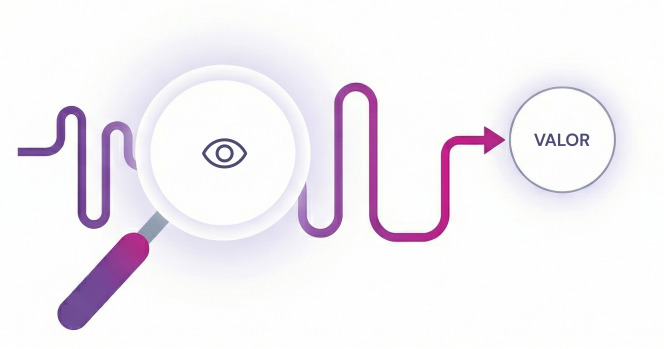
Do conceito à validação de valor
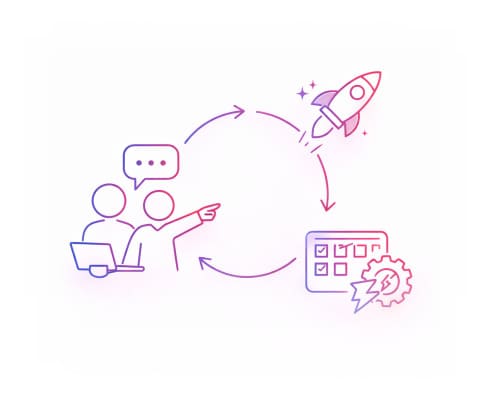
O Discovery de Produto é o ponto de partida para reduzir os riscos e garantir o retorno sobre o investimento. Utilizamos uma metodologia exclusiva para definir seu time em torno de uma visão comum.

Agile Design
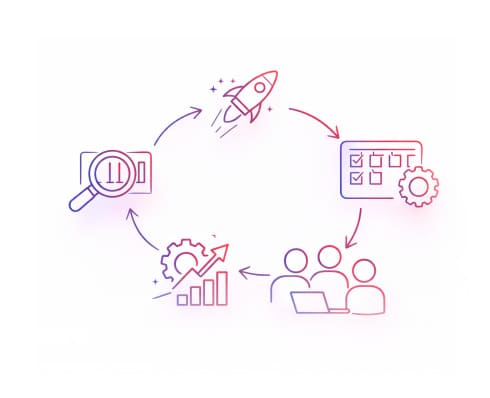
Aplicamos os fundamentos do Agile Design em UX com processos de Design Thinking, Lean Startup e Métodos Ágeis para entender e aplicar de forma estratégica as metodologias de negócio e suas fases dos ciclo para além do design, um roadmap para evolução focado no negócio e no usuário.

Agile Data Thinking
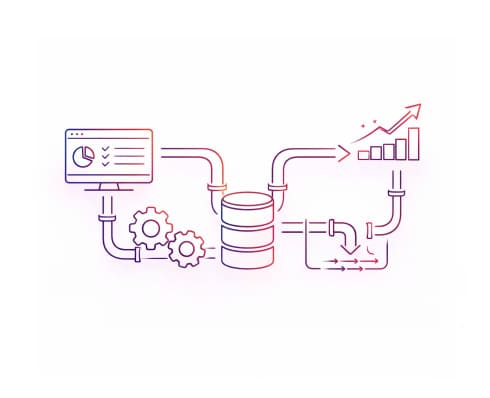
Com foco em transformar dados brutos em inteligente uso de negócio através de cultura centrada na experimentação, garantimos que as soluções de dados sejam viabilizadas por utilizadores reais e atenda às diferentes necessidades estratégicas da organização.

Discovery Design
Um processo de diagnóstico que identifica as reais lacunas de conhecimento e as competências dentro da equipe/organização. Utilizamos análise de dívida da arquitetura, riscos mapeados junto aos stakeholders da solução no negócio, alpert lamentário a função de resolver problemas reais do negócio, transformando o aprendizado a uma solução validada e viável.

Concepção Ágil
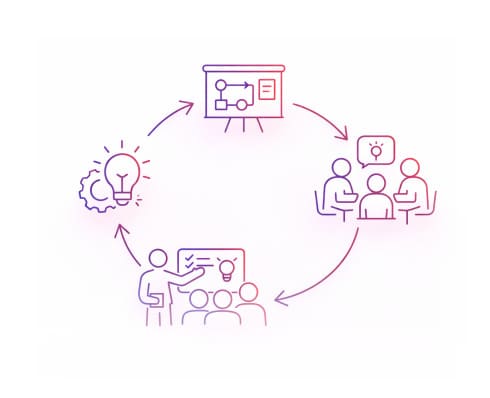
Através de workshops e de ferramentas de design, a equipe conceituará, definindo o MVP (Produto Mínimo Viável) e garantindo que o desenvolvimento esteja direcionado para os artefatos do sprint e nos requisitos reais do negócio e do usuário.

Mapeamento e priorização
Identificamos os objetivos reais do negócio e priorizamos o que realmente gera valor.

Conexão com o usuário
Trabalhamos necessidades de mercado e de pessoas reais através de conversas curtas e rápidas.

Definição de solução
Desenhamos a arquitetura da solução de forma aos objetivos estratégicos da linha de serviços que tiramos o risco de erros.




Assessment
Diagnóstico preciso para decisões assertivas
Para evoluir, é preciso saber onde você está. O nosso Assessment é um processo estruturado de análise de processos, maturidade tecnológica e infraestrutura.
 Presencial
 Online
também chamado de diagnóstico de maturidade, é um serviço presencial ou online que avalia a cultura Lean-Ágil da organização, identificando práticas, dores, oportunidades de melhoria e nível de maturidade de times e da empresa. Por meio de uma análise estruturada, oferece uma visão quantitativa da maturidade ágil, apoia a evolução das pessoas e da organização, identifica oportunidades com plano de ação e contribui para a melhoria contínua da gestão de projetos, rotinas e entrega de valor ao negócio
Problemas ou necessidades resolvidas:
- Necessidade de evolução das pessoas e da organização
- Busca contínua de boas práticas e oportunidades de melhoria
- Necessidade de avaliação da maturidade do time e organização.
Principais ganhos do cliente:


Direcionado para introdução de temas relacionados a Inteligência Artificial, como governança, segurança e apresentação de cases. Durante o workshop é realizado um exercicio criativo para mapear desafios, fluxos, bem como objetivos estratégicos. Com isso é possível realizar priorização e definição de próximos passos.
construção de um diagnóstico profundo que avalia processos e a cultura de design para identificar gargalos e oportunidades de melhoria. O serviço estrutura um plano de evolução para elevar a maturidade das equipes, alinhando a experiência do usuário aos objetivos estratégicos para garantir produtos de alto valor e eficiência.
Avaliamos sua infraestrutura e dados disponíveis para identificar oportunidades e riscos na adoção de Inteligência Artificial.
Verificamos a conformidade e aspectos éticos para garantir uma inovação segura e responsável.
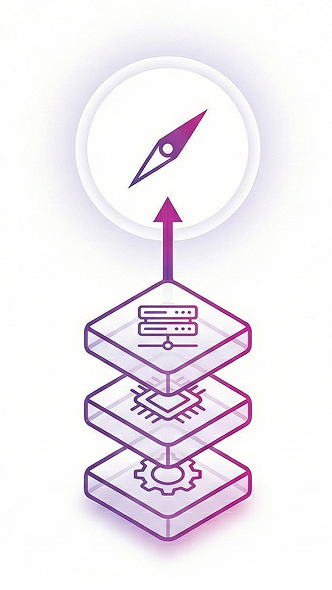
Identificar gargalos tecnológicos, riscos operacionais e oportunidades de otimização em todo o ecossistema de software. O foco é garantir que a arquitetura não seja apenas funcional, mas resiliente, escalável e sustentável a longo prazo.
Pilares de Avaliação:
1. Software & Design de Solução Avaliação da estrutura do código e padrões arquiteturais. Arquitetura Mínima Viável (MVA): A solução atende aos requisitos de negócio com o menor acoplamento possível? Padrões: Uso de Clean Architecture, Hexagonal ou Microservices (se aplicável). Gestão de Estado: Como a aplicação lida com dados efêmeros e persistentes.
2. Cloud & Infraestrutura (Scalability) Análise da fundação onde o software reside. Cloud Native: Uso eficiente de recursos (Serverless, Kubernetes, Managed Services). Elasticidade: Capacidade de escala horizontal automática para suportar o Growth. FinOps: Otimização de custos e desperdício de recursos em nuvem.
3. DevOps & Automação Avaliação da esteira de entrega e cultura de automação. CI/CD: Maturidade dos pipelines de integração e deploy contínuo. IaC (Infrastructure as Code): A infraestrutura é replicável e versionada (Terraform, Ansible, CloudFormation) Automação de Testes: Cobertura de testes unitários, integrados e de ponta a ponta (E2E).
4. SRE & Observabilidade Foco na confiabilidade e saúde do sistema em produção. Monitoramento: Implementação de métricas (Prometheus, Grafana), Logs (ELK/Splunk) e Tracing (Jaeger/Otel). SLIs/SLOs/SLA: Definição clara de indicadores de nível de serviço. Resiliência: Estratégias de Disaster Recovery e High Availability (HA).
5. Qualidade & Boas Práticas Segurança (DevSecOps): Análise estática (SAST) e dinâmica (DAST) de vulnerabilidades. Documentação: Atualização de diagramas de arquitetura (C4 Model) e ADRs (Architecture Decision Records).
6. Débito Técnico & Manutenibilidade Mapeamento de Débitos: Identificação de bibliotecas legadas, código "macarrônico" e gargalos de performance. Plano de Modernização: Estratégia para pagar os débitos que impedem a escala.
Capacitação
Cultura e conhecimento como ativos
A tecnologia muda, mas as pessoas continuam sendo o motor da inovação. Nossa frente de Capacitação visa transferir conhecimento e fortalecer a cultura de dados e agilidade na sua empresa.

Treinamento Técnico e de Negócio
Formação em ferramentas, linguagens, plataformas de IA e conceitos de agilidade para nivelar o conhecimento dos times
Cultura de Dados
Workshops focados em tomadas de decisão orientada por dados (Data Driven).
Learning by Doing
Aprendizado prático que prepara sua equipe para operar e manter as soluções implementadas.
Data Storytelling
Focado em transformar dados complexos em narrativas claras e estratégicas. Combina teoria e prática para melhorar a comunicação de insights, apoiar decisões baseadas em dados e capacitar profissionais a gerar impacto por meio da visualização e storytelling, com projeto final e feedback especializado.
Jornada de IA
Formação presencial voltada à aplicação prática de Inteligência Artificial no dia a dia, capacitando profissionais a identificar automações, aumentar a produtividade e otimizar processos com ferramentas de IA.
Formação RPA
Formação em modalidade híbrida com 48 horas de duração, voltado para analistas e desenvolvedores que buscam substituir processos manuais ineficientes por automações seguras e escaláveis. O programa visa aumentar a eficiência operacional e dar autonomia às equipes internas para identificar e implementar soluções de robótica, reduzindo a dependência de consultorias externas e mitigando erros em tarefas repetitivas.
Hackathon
É uma imersão de 20h para equipes multidisciplinares resolverem desafios com inovação e agilidade. O evento soluciona falhas de colaboração e acelera a ideação, promovendo cultura de experimentação e conhecimento compartilhado.
Lab Experience
Com uma jornada híbrida de 15 semanas focada em learning by doing e princípios de Design Thinking e Gestão Ágil. O programa capacita equipes a transformar dados em soluções validadas, resolvendo a ausência de métodos estruturados para inovação e alinhando estratégia a resultados práticos.
Lab de Dados
Através de um programa híbrido de 13 semanas que utiliza Design Thinking e Ciência de Dados para fomentar uma cultura de decisões baseadas em insights. A jornada capacita analistas e desenvolvedores a resolverem desafios reais, eliminando a carência de métodos estruturados e promovendo o alinhamento estratégico entre inovação e dados.
Cultura Ágil
Com formação flexível (4h a 24h) voltada para desenvolver a mentalidade ágil e facilitar a adaptação organizacional a cenários dinâmicos. O programa capacita participantes a aplicarem princípios ágeis, reduzindo resistências e promovendo maior alinhamento estratégico, eficiência e engajamento entre as equipes.
Maturidade Analítica
Um serviço que foca na transição para uma cultura insights-driven, estruturando métodos para que dados fundamentem decisões estratégicas. O programa eleva a capacidade técnica das equipes, alinhando a análise de dados complexos aos objetivos de negócio para gerar resultados preditivos.
Transformação Digital
Formação une consultoria estratégica e tecnologias emergentes para converter desafios em soluções escaláveis. O foco é modernizar processos e cultura, entregando inovação prática e valor real.