

Transformando documentos em dados: automação com IAs agênticas na ingestão de dados
Muitos processos digitais ainda dependem de informações que chegam em documentos físicos, PDFs escaneados, imagens ou formulários, criando gargalos antes mesmo dos dados entrarem nos sistemas. O texto mostra como IA, IDP e agentes inteligentes podem transformar documentos em dados estruturados, confiáveis e auditáveis, habilitando automação, analytics e ganhos reais de eficiência operacional.

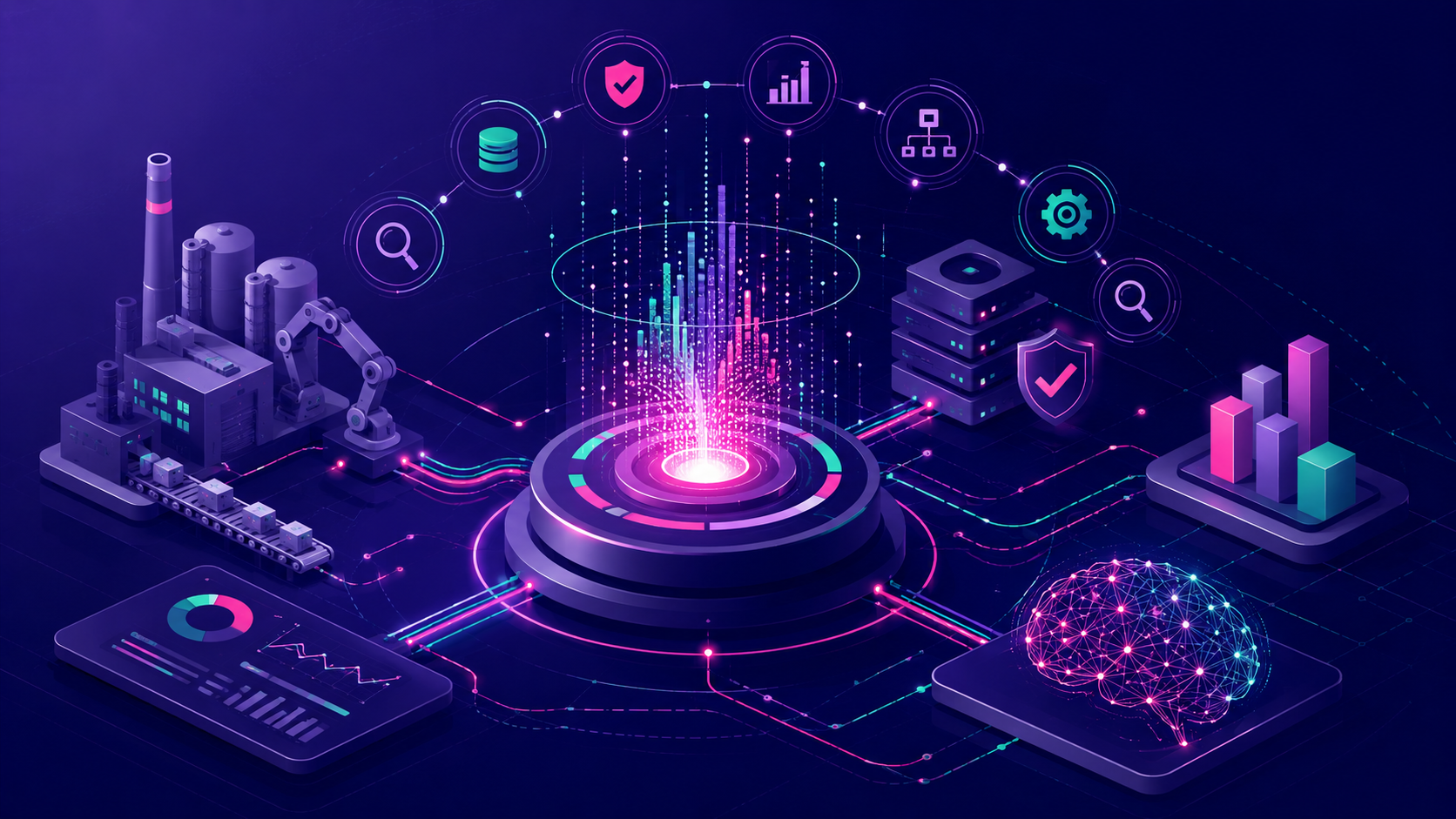
O próximo passo da maturidade analítica no setor financeiro
A maturidade analítica no setor financeiro depende de uma base moderna capaz de transformar dados dispersos em inteligência confiável, segura e acionável. O texto mostra como governança, arquitetura lakehouse, automação, IA e produtos de dados ajudam instituições financeiras a reduzir riscos, acelerar decisões e criar novas experiências digitais.
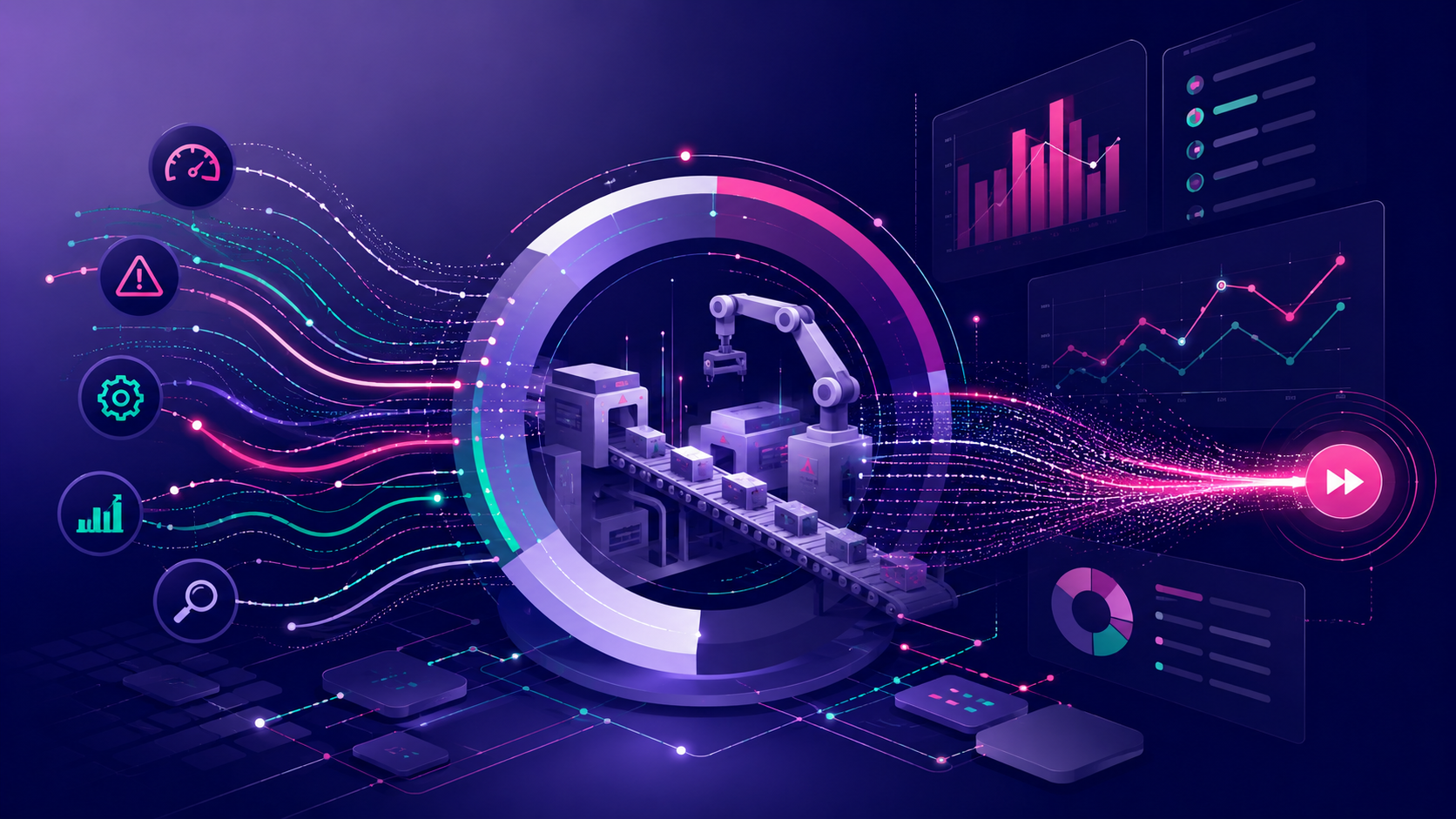
Da Qualidade de Dados ao Valor de Negócio
A qualidade de dados deixou de ser apenas um requisito técnico e passou a ser um fundamento estratégico para empresas que querem tomar decisões melhores, automatizar processos e escalar o uso de IA. Em ambientes industriais complexos, a combinação entre dados confiáveis, integração com sistemas legados e arquitetura moderna é o que transforma informação em eficiência, inteligência e valor de negócio.
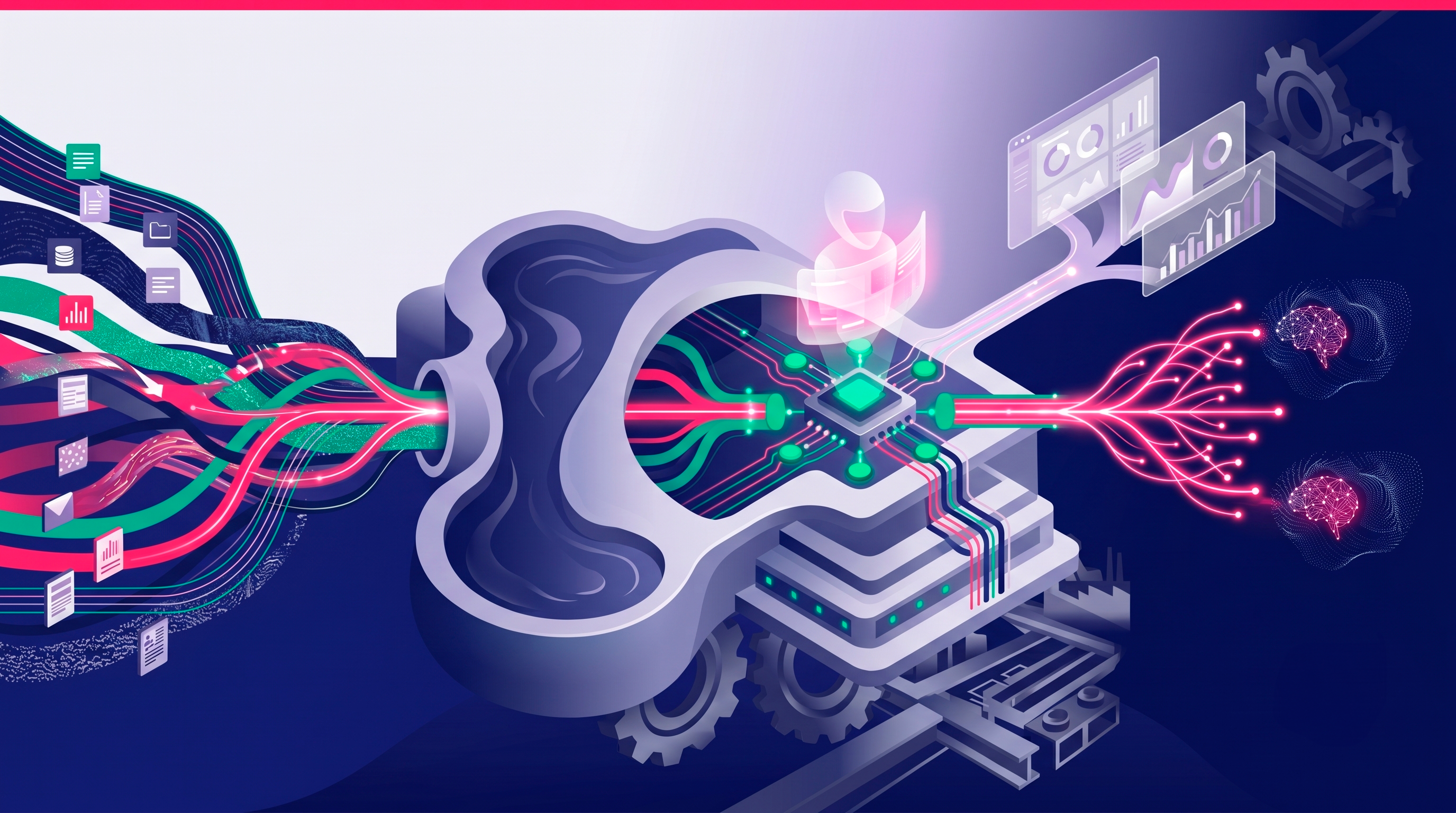
Lakehouse: a arquitetura que destrava dados confiáveis e IA escalável
Grandes empresas não costumam sofrer por falta de dados, mas pela dificuldade de organizar, confiar e usar essas informações com velocidade. O lakehouse surge como uma arquitetura capaz de reduzir silos, aumentar a governança e criar uma base mais confiável para analytics, automações e IA em escala.

Por que empresas falham ao tentar centralizar dados? (e como evitar)
Centralizar dados não significa apenas reunir tudo em um único lugar, mas criar uma base confiável para decisões, automações e iniciativas de IA. O texto mostra os principais erros que fazem esses projetos falharem e apresenta um caminho prático para transformar dados em valor real para o negócio.

Da TI como suporte à operação data-driven: o case de transformação digital da Randoncorp
A transformação digital da Randoncorp mostra como a tecnologia deixou de atuar apenas como sustentação para assumir um papel estratégico na evolução do negócio. Com dados, automação, inteligência artificial e a incorporação da DB, o grupo fortaleceu sua cultura data-driven e ampliou a capacidade de transformar desafios industriais em soluções digitais escaláveis.

Qualidade de dados como alavanca de eficiência operacional
Dados inconsistentes geram uma “taxa operacional invisível” que compromete eficiência, aumenta riscos e limita automação e escala nos setores financeiro e industrial.
Agentes de automação: a transformação silenciosa dos processos empresariais (e como escalar com dados, integrações e IA)
Retrabalho, exceções e atrasos muitas vezes têm a mesma origem: dados inconsistentes.
Carlos H.
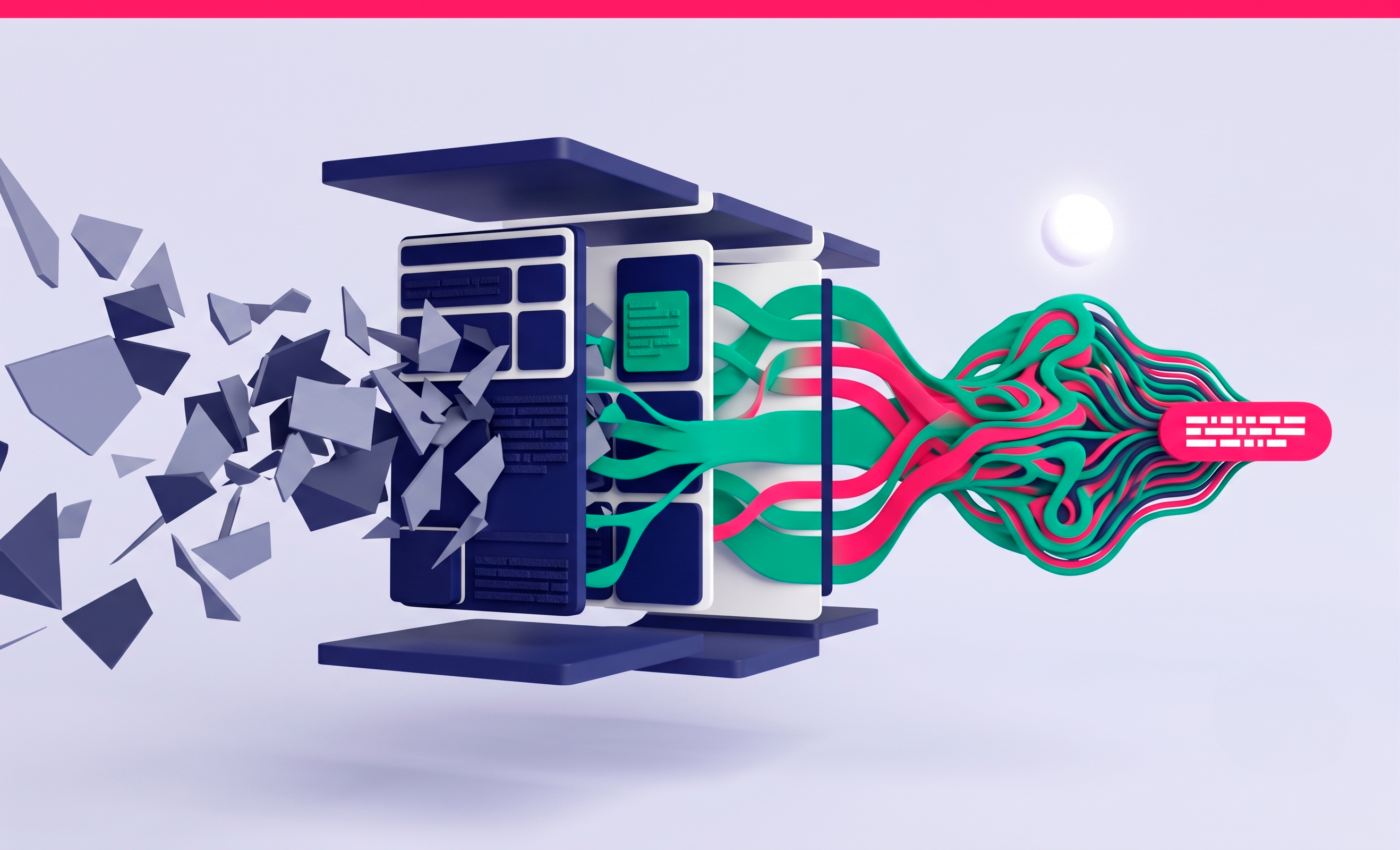
Nem sempre é IA: quando o problema começa na informação
Antes de pensar em IA, é preciso entender se a informação que chega até ela está clara, estruturada e pronta para gerar boas respostas. Quando dados, processos e responsabilidades estão bem definidos, a inteligência artificial deixa de tentar corrigir falhas na origem e passa a potencializar valor real para o negócio.
 Maurício Brandalise
Mostrando 10 a 18 de 28 resultados