
Publicado em 06 mar.. 2026
Lakehouse: a arquitetura que destrava dados confiáveis e IA escalável
Grandes empresas não costumam sofrer por falta de dados, mas pela dificuldade de organizar, confiar e usar essas informações com velocidade. O lakehouse surge como uma arquitetura capaz de reduzir silos, aumentar a governança e criar uma base mais confiável para analytics, automações e IA em escala.
O paradoxo das empresas orientadas a dados
Grandes empresas raramente têm falta de dados. O que elas têm é justamente o oposto: um volume gigantesco de dados e uma dificuldade crônica de organizar, confiar e usar esses insumos com velocidade. O resultado aparece em sintomas conhecidos: métricas que não batem, dashboards que ninguém confia, relatórios que demoram semanas e iniciativas de IA que começam bem em pilotos, mas travam quando precisam escalar.
O problema não é falta de ferramenta. Muitas organizações já investiram em data warehouses, data lakes, múltiplas plataformas de BI, ferramentas de integração, catálogos e, mais recentemente, camadas para IA e GenAI. O problema é que, com o tempo, o stack virou uma colcha de retalhos: silos, cópias, redundâncias e governança fragmentada.
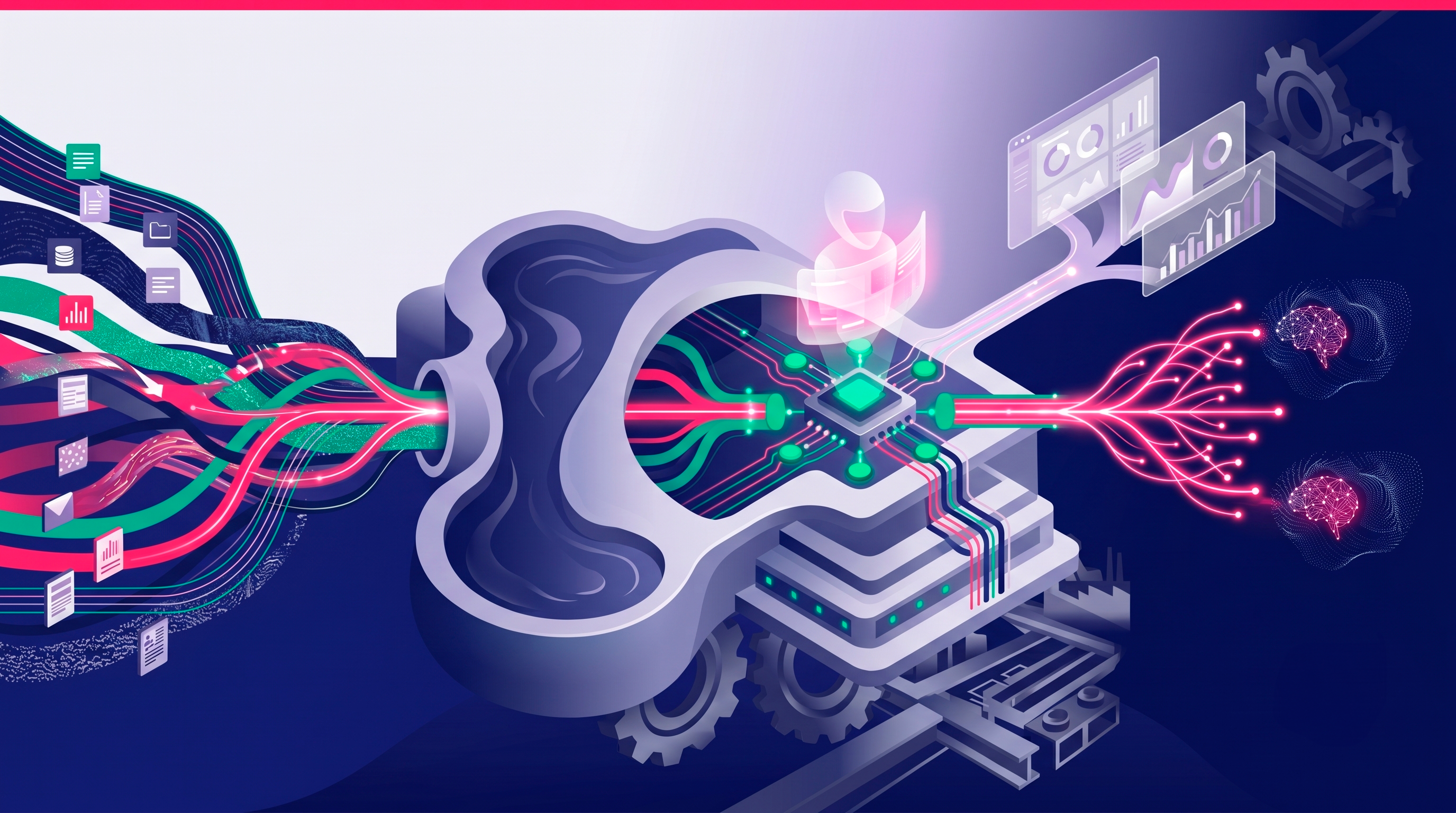
É nesse contexto que ganha força a arquitetura data lakehouse, proposta como uma forma pragmática de unir o que funcionou nos últimos 15 anos em dados, como data lakes e data warehouses, e reduzir o atrito que impede a organização de avançar para um patamar de decisões mais rápidas e IA aplicável.
Por que isso é importante para o negócio
Quando dados não são confiáveis, o impacto aparece direto no trabalho das pessoas: times de vendas gastam horas reconciliando números, marketing retrabalha relatórios para explicar discrepâncias, finanças precisa checar planilhas manualmente e operações toma decisões “no escuro” porque o estoque real não bate com o sistema.
O lakehouse ajuda a resolver isso ao criar um ambiente em que a mesma informação é usada por todos, reduzindo conflito e acelerando conversas decisórias. Na prática, isso significa reuniões que deixam de discutir “qual número está certo” e passam a tratar de “qual ação tomamos agora”; campanhas que não atrasam por falta de dados; análises que antes levavam semanas passando a ser feitas em um dia; e operações que respondem a problemas antes de virarem crises.
Por que data lake ou data warehouse não resolvem sozinhos
Por muito tempo, o caminho padrão para analytics foi o data warehouse: consolidar dados estruturados e servir BI com consistência e performance. E isso gerou valor, até que a realidade começou a exigir mais: dados semi-estruturados, logs, streaming, eventos, documentos, imagens, modelos de ML, e uma variedade enorme de fontes e formatos.
Na outra ponta, o data lake surgiu como resposta natural: armazenar tudo, de qualquer formato, com escala e custo atrativos. Só que o lake “puro” costuma falhar em três pontos que importam no mundo corporativo:
- Confiabilidade: evitar inconsistências, garantir integridade e concorrência;
- Performance para BI: consultas interativas e governadas na escala;
- Governança padronizada: acesso, auditoria, lineage e descoberta funcionando de forma consistente.
Com isso, muitas empresas acabam criando um “ciclo de compensação”: data lake para armazenar, data warehouse para servir BI e pipelines complexos para sincronizar as duas coisas. O custo cresce, o tempo aumenta e a confiança diminui.
Por que isso é importante
Quando BI depende de um lugar e IA depende de outro, você cria dois mundos que nunca batem, e isso gera ruído. Na prática, times comerciais recebem previsões que não correspondem ao que aparece no dashboard de vendas; marketing faz segmentações que não refletem as bases usadas pelo CRM; finanças recebe indicadores diferentes dos usados pela operação.
Unificar isso significa menos retrabalho invisível: menos exports para Excel, menos reuniões para conciliar números, menos frustração ao tentar replicar análises. Significa que o gestor pode confiar que o que vê no relatório é a mesma informação que alimenta previsões de demanda, algoritmos de pricing, segmentações de cliente ou análise financeira.
O que é um lakehouse na prática
Um lakehouse é uma arquitetura que combina:
- A flexibilidade e escala do data lake, com múltiplos formatos, grande volume e elasticidade;
- Com a confiabilidade e capacidades analíticas típicas do data warehouse, como consistência, qualidade, governança e performance.
Traduzindo para o dia a dia: ao invés de manter um lugar para guardar, lake, e um lugar para consultar, warehouse, com duplicação e retrabalho, você passa a ter um fundamento unificado onde diferentes workloads convivem:
- BI e analytics, como SQL, painéis e relatórios;
- Engenharia de dados, ingestão, transformação e pipeline;
- Streaming e eventos em tempo real;
- Ciência de dados e ML/IA;
- E, em alguns cenários, workloads transacionais próximos do analítico.
O ponto central não é “ter mais uma plataforma”, e sim reduzir o número de plataformas necessárias para operar dados em escala com governança.
Os pilares que tornam o lakehouse viável
Existem alguns princípios que explicam por que o lakehouse tem aderência em grandes empresas:
- Storage e compute desacoplados: você escala processamento de acordo com a necessidade, sem inflar o custo de armazenamento, e vice-versa. Isso dá elasticidade para períodos de pico, projetos de IA e demandas de BI que variam ao longo do mês.
- Confiabilidade e consistência: a capacidade de manter consistência e previsibilidade, algo muito associado ao mundo transacional, é crucial para não transformar o lake em um “pântano”. Sem isso, a empresa vive apagando incêndios de dados quebrados.
- Governança como fundação: ao invés de “colocar governança depois”, o lakehouse trata governança como parte do desenho: controle de acesso, auditoria, rastreabilidade e catálogo trabalhando juntos. Isso é indispensável para ambientes regulados e para a expansão segura do uso de IA.
- Padrões e tecnologias abertas: a adoção de formatos e camadas abertas reduz lock-in e facilita integração com o ecossistema, além de permitir evolução mais contínua do ambiente.
O impacto real: menos atrito operacional, mais velocidade para decisão
Quando a empresa migra de um cenário multi-silo para um fundamento unificado, os ganhos aparecem em quatro frentes:
- Redução de custo total, TCO: menos cópias, menos pipelines redundantes, menos ferramentas sobrepostas e menos esforço para “manter o dado de pé”.
- Time-to-insight menor: menos etapas entre dado bruto, dado confiável e consumo em BI/analytics. A organização troca “projeto de meses” por evolução contínua.
- Confiança e governança: a discussão deixa de ser “qual tabela é a certa?” e passa a ser “qual decisão vamos tomar?”. Isso é o que separa analytics que informa de analytics que muda resultado.
- IA aplicável em escala: IA não escala em cima de dados inconsistentes e sem rastreabilidade. Se o lakehouse aumenta confiança e reduz fragmentação, ele vira a base para ML e, principalmente, para GenAI com dados corporativos.
O próximo passo de Data Intelligence: GenAI como camada de produtividade
Mesmo com uma arquitetura mais correta, ainda sobra um gargalo: entender e achar o dado certo. Em grandes empresas, é comum haver milhares de tabelas, métricas duplicadas e termos que mudam de área para área. E isso vira um teto para a democratização.
A ideia de Data Intelligence é usar GenAI para atuar como uma camada semântica e assistiva:
- Permitir perguntas em linguagem natural conectadas aos KPIs da empresa;
- Ajudar na descoberta e entendimento, como o que significa cada métrica e qual fonte é confiável;
- Reforçar segurança e compliance com identificação de dados sensíveis;
- Reduzir esforço manual em curadoria, documentação e otimização.
No lugar de uma GenAI solta, você cria um ambiente em que IA opera com dados corporativos governados, com rastreabilidade e controles.
Como começar sem virar um megaprojeto
O erro mais comum é tratar lakehouse como “migração total” ou “substituição do mundo”. O caminho mais eficaz é incremental:
- Escolha 1 ou 2 casos de uso de alto impacto
- Financeiro: conciliação, risco, fraude, performance operacional;
- Indústria: qualidade, manutenção, supply, eficiência de processo.
- Defina governança mínima viável desde o início
- Acesso por perfil, auditoria, catálogo e regras de qualidade.
- Construa a base de dados confiáveis e conecte o consumo
- Entregue valor rápido, com BI/analytics, enquanto a base evolui.
- Evolua para IA com contexto
- Depois de confiança e domínio semântico, IA vira acelerador, não risco.
Lakehouse não é mais um stack, é uma simplificação estratégica
Empresas grandes não falham por falta de dados. Falham porque o sistema que deveria transformar dados em decisão vira um conjunto de silos, cópias e governança improvisada. O lakehouse aparece como uma resposta pragmática: unificar, governar e acelerar.
E quando você coloca GenAI por cima dessa base, não como chatbot genérico, mas como camada semântica e governada, você dá o próximo passo e sai do modo “ter dados” e chega no modo “operar inteligência de negócio”.