Tecnologia

Garantia de qualidade e validação de firmware para displays de alta performance em plataformas aéreas.
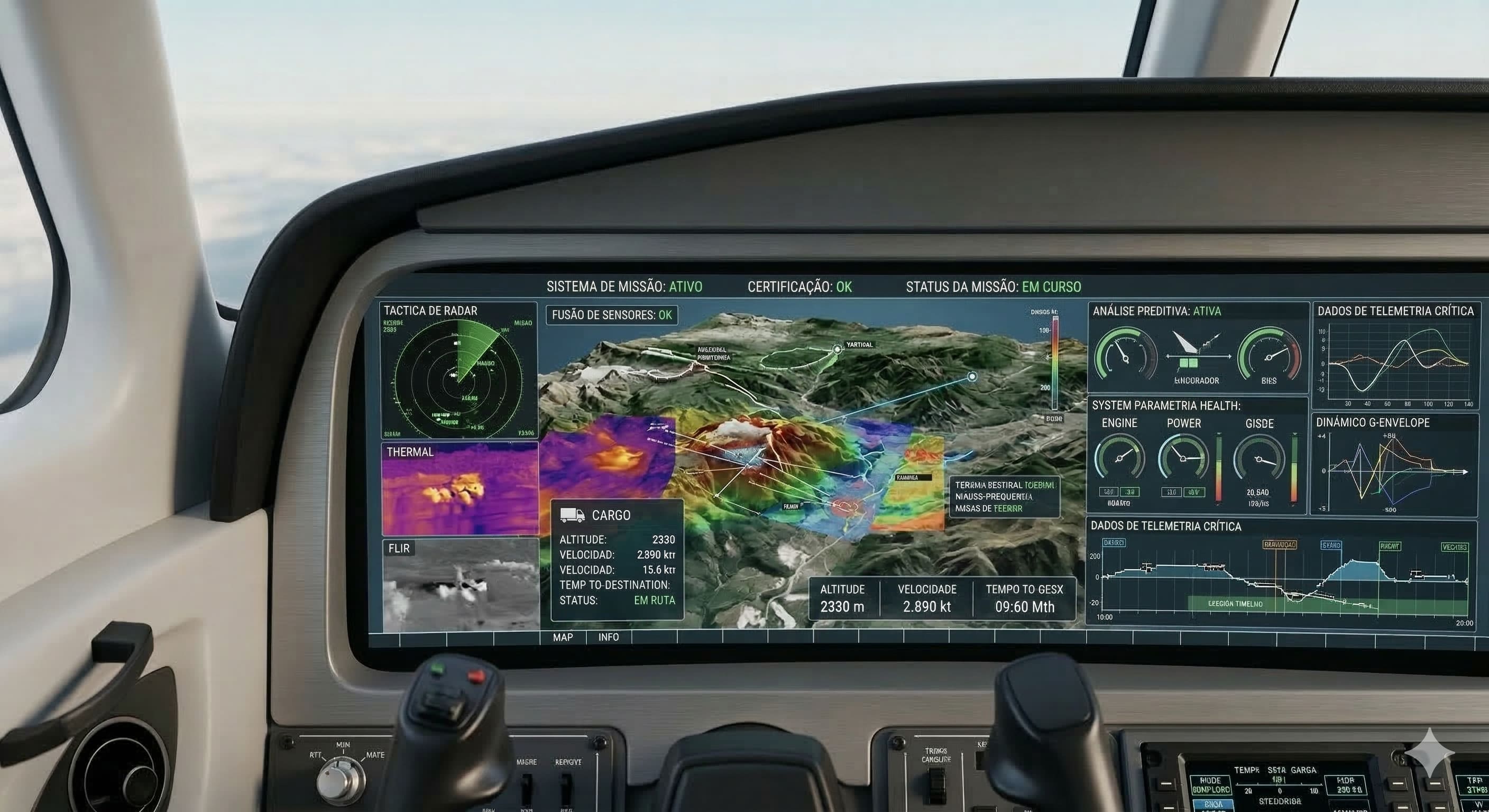
Alocação de especialistas para testes de firmware em sistemas de exibição de área total (WAD), integrando interfaces homem-máquina em cockpits de alto desempenho.
01. Problema
Em setores de alta tecnologia aeroespacial, a falha de um sistema de exibição de dados pode ter consequências críticas. O desafio era validar um firmware complexo que centraliza informações de múltiplos sensores e sistemas de voo em uma única interface de grande escala. Qualquer instabilidade, erro de lógica ou atraso no processamento de dados em tempo real comprometeria a operabilidade da plataforma em ambientes de alto desempenho, exigindo uma camada de QA (Garantia de Qualidade) muito superior aos padrões convencionais de mercado.
02. Diagnóstico
A análise técnica da DB identificou que a validação de sistemas de bordo exigia conhecimentos profundos em sistemas embarcados e protocolos de comunicação de hardware. Não se tratava apenas de encontrar "bugs" de interface, mas de garantir a robustez total do firmware em situações de estresse extremo. A DB diagnosticou a necessidade de uma equipe de engenharia de software com foco em Mission Critical Systems, capaz de operar em um ecossistema de desenvolvimento global com rastreabilidade total de requisitos e conformidade técnica rigorosa.
03. Resolução
A DB mobilizou uma célula de especialistas em QA e sistemas embarcados para atuar diretamente no ciclo de desenvolvimento do firmware. A solução envolveu a execução de testes exaustivos no sistema WAD, validando a responsividade da interface e a integridade da fusão de dados exibida no cockpit. O time trabalhou na detecção de vulnerabilidades lógicas e na otimização da performance do software, garantindo conformidade com normas internacionais de segurança e certificação aérea. Essa atuação assegurou uma interface homem-máquina estável e confiável, fundamental para a tomada de decisão rápida em operações de alta complexidade.
Benefícios obtidos

Confiabilidade em Sistemas de Missão Crítica
Garantia de operação estável do firmware principal, vital para a segurança e o sucesso de operações aéreas de alta performance.

Especialização em Engenharia de Software Embarcado
Aplicação de metodologias de teste de software para hardware em um dos níveis mais exigentes e restritivos da engenharia moderna.

Conformidade com Padrões Globais
Implementação de processos de QA alinhados aos rigorosos requisitos internacionais de segurança e certificação aeroespacial.

Eficiência na Interface Homem-Máquina (HMI)
Validação de um sistema de exibição que fornece dados precisos e integrados em tempo real, facilitando o controle operacional e a consciência situacional.