
Publicado em 27 nov.. 2023
RPA: A transformação silenciosa dos processos empresariais
Como a automação inteligente com UiPath está transformando processos operacionais em oportunidades estratégicas para inovação e crescimento dos negócios.
O mundo está em constante evolução, e embora seja um tópico recorrente, é fundamental avaliarmos se, na prática, estamos impulsionando o avanço de nossos negócios por meio da tecnologia, sem receio de ficarmos para trás e maximizar o potencial dos nossos negócios.
Tive a oportunidade de participar há alguns dias de um evento sobre inteligência artificial aliada à RPA (Automação de Processos Robóticos). Parceiros e clientes da renomada empresa UIPath, líder global em seu setor, compartilharam diversos casos de sucesso, jornadas e ferramentas que impulsionarão nossas operações. O destaque foi a introdução de IA embarcada a plataforma de RPA.
Neste artigo irei abordar conceitos, iniciação na adoção de rpa, exemplos de casos de uso, e implicações dessa tecnologia com base na experiência compartilhada no evento que participei. Em um próximo artigo, pretendo aprofundar a discussão sobre como a IA se integra à RPA e seu impacto nas operações.
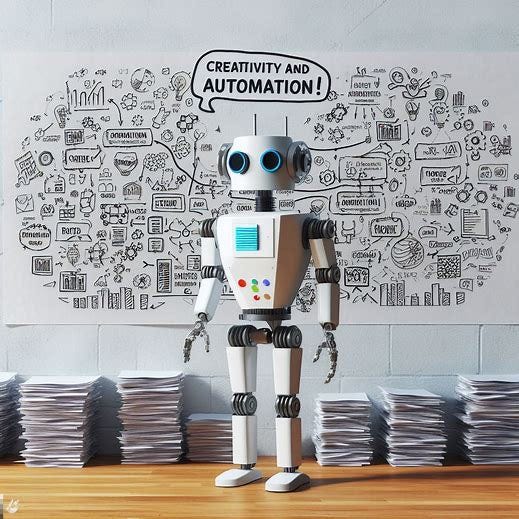
O aprimoramento na forma de lidar com processos do dia a dia, exigirá cada vez mais criatividade de nossa parte para evoluir nossos modelos de negócios e sermos assertivos no uso de tecnologias e isso não é diferente com RPA e suas evoluções.
Acredito que a frase abaixo do livro “The Innovators” de Walter Isaacson possa inspirar neste processo criativo, quando pensamos em inovação em nossos negócios:
“Innovation does not come merely by matching patterns that are successful in one realm and applying them in another.”
Como ser criativo e, ao mesmo tempo, desenvolver soluções que tragam benefícios aos negócios?
Primeiro, uma breve explicação do que é e como funciona
Imagine a automação de processos robóticos (RPA) como ter um exército de assistentes virtuais trabalhando incansavelmente nos bastidores da sua empresa. Esses “robôs de software” são capazes de executar tarefas manuais e repetitivas com precisão e velocidade. Eles liberam sua equipe para se concentrar em atividades estratégicas e criativas, enquanto cuidam das atividades operacionais. O destaque de RPA está na sua acessibilidade e facilidade de implementação, tornando-a acessível a empresas de todos os portes. (Em breve um artigo mais técnico para demonstrar um pouco do como desenvolver)
E o que seriam essas atividades estratégicas x atividades mundanas?
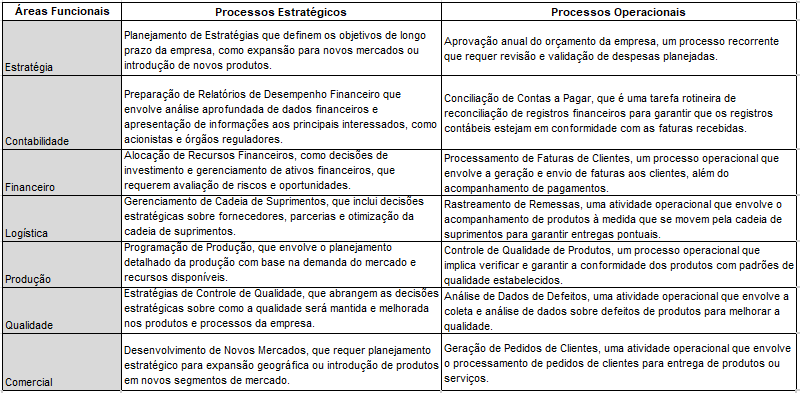
Exemplos — Processos Estratégicos x Operacionais
Exemplos de processos do dia a dia, para reflexão
Vamos imaginar um analista contábil que pode se dedicar a atividades estratégicas, como o planejamento tributário, análise de cenários financeiros e consultoria financeira. Enquanto isso, o seu colega robô cuida de tarefas mais rotineiras, como reconciliação de contas, desenvolvimento de relatórios personalizados e classificação de contas contábeis para uma posterior verificação pelo dono do processo. Essa parceria entre humanos e robôs otimiza a eficiência e a criatividade.
E se fosse na área fiscal? Imagine um analista fiscal como o dono das estratégias tributárias. Eles estão sempre em busca de maneiras de economizar dinheiro em impostos, identificando oportunidades e fornecendo conselhos fiscais para os departamentos internos.
Agora, o nosso assistente/robo RPA é como se fosse um assistente operacional tributário. Ele cuida das tarefas de como coletar e organizar montanhas de documentos fiscais, preencher aquelas declarações de impostos intermináveis e fazer todos os cálculos complicados para nos manter em dia com o governo. Além disso, ele está sempre de olho nas mudanças nas leis fiscais, mantendo-nos atualizados.
– Enfim, exemplos não faltam… segue aqui uma lista interessante de processos e funcionalidades que criei para apoiar na sua análise / jornada
A jornada — Antes, durante e depois
A implementação da RPA pode parecer desafiadora, especialmente para empresas que estão entrando nesse mundo pela primeira vez. No entanto, o segredo está em desenvolver um movimento que vise reforçar a importância, definir uma área piloto, selecionar a equipe ideal para liderar esse esforço e contar com o apoio de diferentes áreas e a gestão.
Idealmente, você pode iniciar identificando pessoas que possuam uma compreensão sólida dos processos que serão automatizados. Isso pode incluir analistas de processos, funcionários que executam rotineiramente as tarefas a serem automatizadas e até mesmo profissionais de TI que podem aprender a configurar os robôs de software.
A definição de tecnologia de RPA a ser implementada também e um passo importante. Muitas empresas iniciam sua jornada utilizando pequenos scripts desenvolvidos internamente por entusiastas ou comumente conhecido como cidaddoes desenvolvedores. Avalie quem podem ser estes entusiastas. (Quem sabe aquele colega que manja muito de macros?)
Uma das vantagens desta tecnologia é a sua facilidade de implementação, e muitas soluções RPA incluem interfaces amigáveis que permitem a criação de automações com relativa facilidade.
Iniciar com uma equipe que conhece bem os processos existentes são um passo importante. Esses colaboradores podem trabalhar em conjunto com especialistas em RPA ou parceiros de automação para identificar oportunidades, criar, testar e sustentar os primeiros robôs.

Para o sucesso dos projetos de RPA faz-se muito necessário o acompanhamento de indicadores por parte do time técnico, e especialmente por parte do time de negócios, o qual tem a responsabilidade sob a manutenção dos processos e solicitações de adequações. E assim, na medida rm que processos mudam, novos robôs são implementados e a orquestração fica mais complexa.
Benefícios da Automação
A automação de processos oferece benefícios tangíveis, como:
· Redução de erros, imagine que o robô fará a inserção de dados de uma maneira mais assertiva, com menos chances de erros na digitação (mitigação de riscos);
· Aumento da eficiência: quantos registros um robô pode realizar sem haver uma interrupção? Agora compare com o ser humano;
· Economia de tempo e dinheiro: Muitas tarefas podem ser delegadas aos robôs, economizando tempo das pessoas;
· Escalabilidade: De certa forma permite que as empresas se adaptem rapidamente a mudanças no mercado e nas demandas dos clientes. (Muitas vezes é uma solução barata comparado a atualizações e grandes mudanças de processos/sistemas)
E quando não usar RPA
Embora esta tecnologia seja uma ferramenta poderosa e de fácil adoção, há momentos em que pode não ser a solução ideal. Por exemplo:
processos altamente variáveis
processos com muitas exceções que se tornam difíceis de automatizar com eficiência, devido à necessidade de lidar com complexidades em constante mudança.
tarefas que requerem julgamento humano, empatia e criatividade, não são adequadas para automação, uma vez que dependem de habilidades humanas únicas.
Além disso, interações sociais ou emocionais complexas, como:
negociações delicadas ou atendimento ao cliente altamente personalizado, geralmente são mais bem tratadas por seres humanos.
Por fim, projetos de curto prazo ou de baixa relevância podem não justificar o investimento em RPA, e processos que dependem de sistemas tecnologicamente obsoletos ou altamente complexos podem não ser facilmente automatizados
Conclusão
Em resumo, a automação de processos robóticos (RPA) oferece uma oportunidade para empresas de todas as áreas maximizarem a eficiência e liberarem suas equipes para atividades estratégicas e criativas.
No entanto, a escolha de quando não usar a RPA é igualmente importante. Ao avaliar cuidadosamente os processos e considerar as complexidades envolvidas, as empresas podem tomar decisões informadas sobre como aplicar essa tecnologia. Quando usada com sabedoria, a tecnologia pode impulsionar a produtividade e o crescimento empresarial, abrindo caminho para um futuro mais eficiente e inovador.
Cheers 🙏🏼
Source:
Livros: The Robotic Process Automation Handbook: A Guide to Implementing Rpa Systems
Robotic Process Automation Projects: Build real-world RPA solutions using UiPath and Automation Anywhere